
Tourism is not competition, it’s coordinated system, says ATPN President at FUNAAB
Posted on: May 2, 2026, by : uguru okorie
The President of the Association of Tourism Practitioners of Nigeria (ATPN) and Chairman of the Awori Tourism Development Board Prince Femi Fadina has urged tourism industry practitioners to cooperate with one another to build the industry rather than engaging in unhealthty competition. He said this while delivering a keynote speech during the annual symposium organised by students of the Department of Hospitality and Tourism the Federal University of Agriculture Abeokuta (FUNAAB). He challenged the students and faculty to rethink the structure and future of Nigeria’s tourism and hospitality industry.
Speaking on the theme “From Tradition to Attraction: The Role of Cultural Heritage in Hospitality and Tourism Development,” Fadina framed framed the sector through a striking parable titled “The Classroom of Confusion. He said: “Let me paint a picture. A man walks into a classroom and hears arguments everywhere—hospitality students claiming to be the backbone, travel and tours insisting movement is everything, culinary voices declaring food as the experience, while culture, transport, and creative sectors all compete for supremacy.”
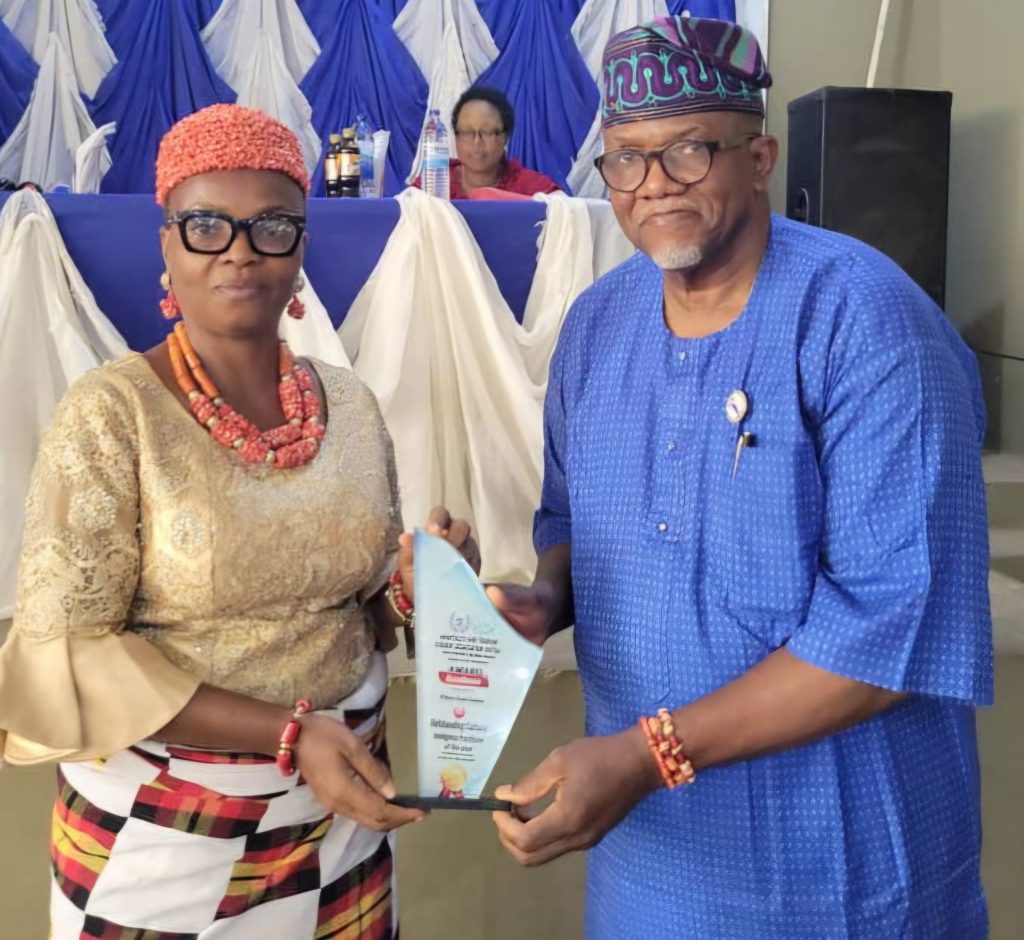
The room, he explained, reflects the current fragmentation within the tourism ecosystem.
“The man smiles and says: You are all right—and completely wrong at the same time. Because tourism is not a competition of sectors. It is a coordination of systems. Remove one—everything weakens. Ignore one—everything collapses.”
Using strong industry language and practical insight, the ATPN President emphasized that Nigeria’s tourism underperformance is not due to lack of assets, but due to weak value chain integration and absence of coordinated destination management systems.
He out-lined that hospitality provides accommodation and service delivery
Travel and tours drive distribution and itinerary structuring. Transport ensures accessibility and connectivity. Culinary enhances experiential depth, culture and heritage define destination identity creative industries, shape destination branding and perception.
“Tourism is a composite product,” he stated. “It thrives on synergy, not silos.”
Referencing on the success and evolution of indigenous cultural platforms such as the Awori Day Cultural Festival 2022, the keynote underscored the need to transition from heritage as nostalgia to heritage as structured economic infrastructure.
“Tradition is not enough,” he noted. “It must be curated, packaged, and positioned within a scalable tourism framework.”