
Nigeria’s tourism growth must move from talk to structure
Posted on: March 10, 2026, by : uguru okorie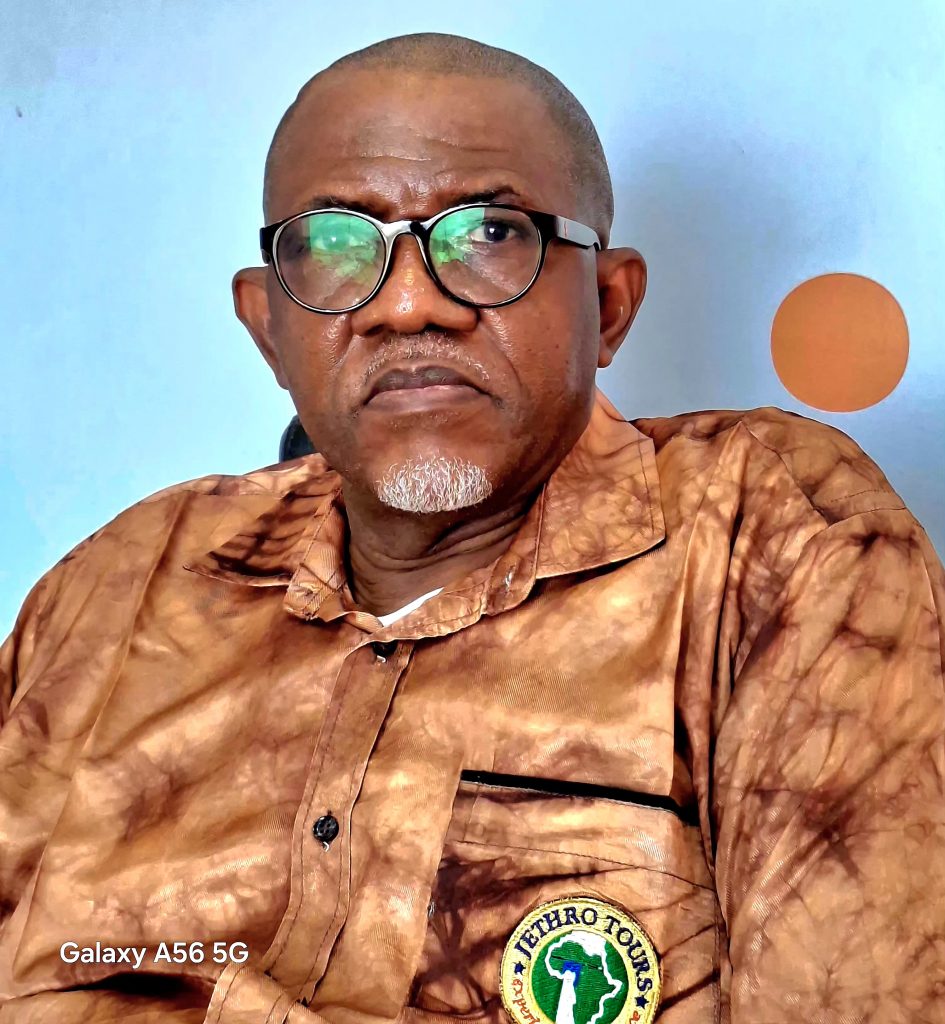
Nigeria’s tourism sector is standing at a defining moment. From the cultural vibrancy of Lagos to the historic landscapes of Badagry, Ota, Abeokuta, Osun and Ibadan, the country possesses extraordinary tourism assets capable of driving jobs, investment, and cultural influence across West Africa.
Yet one truth must be acknowledged: potential alone does not build an industry. Structure does. Collaboration does. Intentional action does.
Today, the Nigerian tourism ecosystem suffers from too much fragmentation. There is excessive noise, competing narratives, and often no clear structured pathway that aligns the local, state, and national tourism grid. Tourism cannot grow sustainably under such conditions.
Tourism is an ecosystem industry. Local communities preserve the heritage and culture that give destinations their authenticity. State governments provide infrastructure and destination management. National institutions position the country in the global tourism marketplace. When these levels work independently, progress becomes slow and inconsistent. When they collaborate, tourism becomes a powerful economic engine.
This is why collaboration among all drivers of the tourism value chain is not optional—it is essential.
Equally important is the battle of narratives. Tourism is deeply influenced by perception. Nations that succeed in tourism carefully project coherent and confident stories about their destinations.
When internal divisions dominate public discourse, the destination brand becomes weakened.
Nigeria must therefore manage its tourism narrative responsibly.
Healthy debate is necessary, but it must strengthen the industry rather than undermine its credibility.
Another concern we must address honestly is the growing tendency to reduce tourism to conferences, seminars, and endless conversations. While dialogue and policy discussions are important, tourism itself is an experience economy. It thrives on destinations, products, visitor services, and structured tourism corridors.
We cannot build a tourism economy by talking about tourism alone. We must develop destinations, package cultural assets, support tour operators, strengthen hospitality services, and create real visitor experiences.
This industry is bigger than any individual office. It is not about ministers, commissioners, or director-generals.
Leadership matters, but tourism success ultimately depends on collective intentionality across the entire ecosystem.
Government institutions, private operators, cultural custodians, investors, transport providers, and host communities must work together with a shared purpose: to transform Nigeria’s cultural wealth into structured tourism products.
If we reduce the noise, align our efforts from the local communities to the state structures and national institutions, and focus on building real tourism products rather than endless conversations, Nigeria will unlock one of its most powerful economic sectors.
The message is simple and urgent:
Collaboration must drive the system. Intentional action must replace endless talk.
And together, we must build a structured Nigerian tourism industry capable of competing globally.
By Prince Femi Fadina
President, Association of Tourism Practitioners of Nigeria (ATPN)